

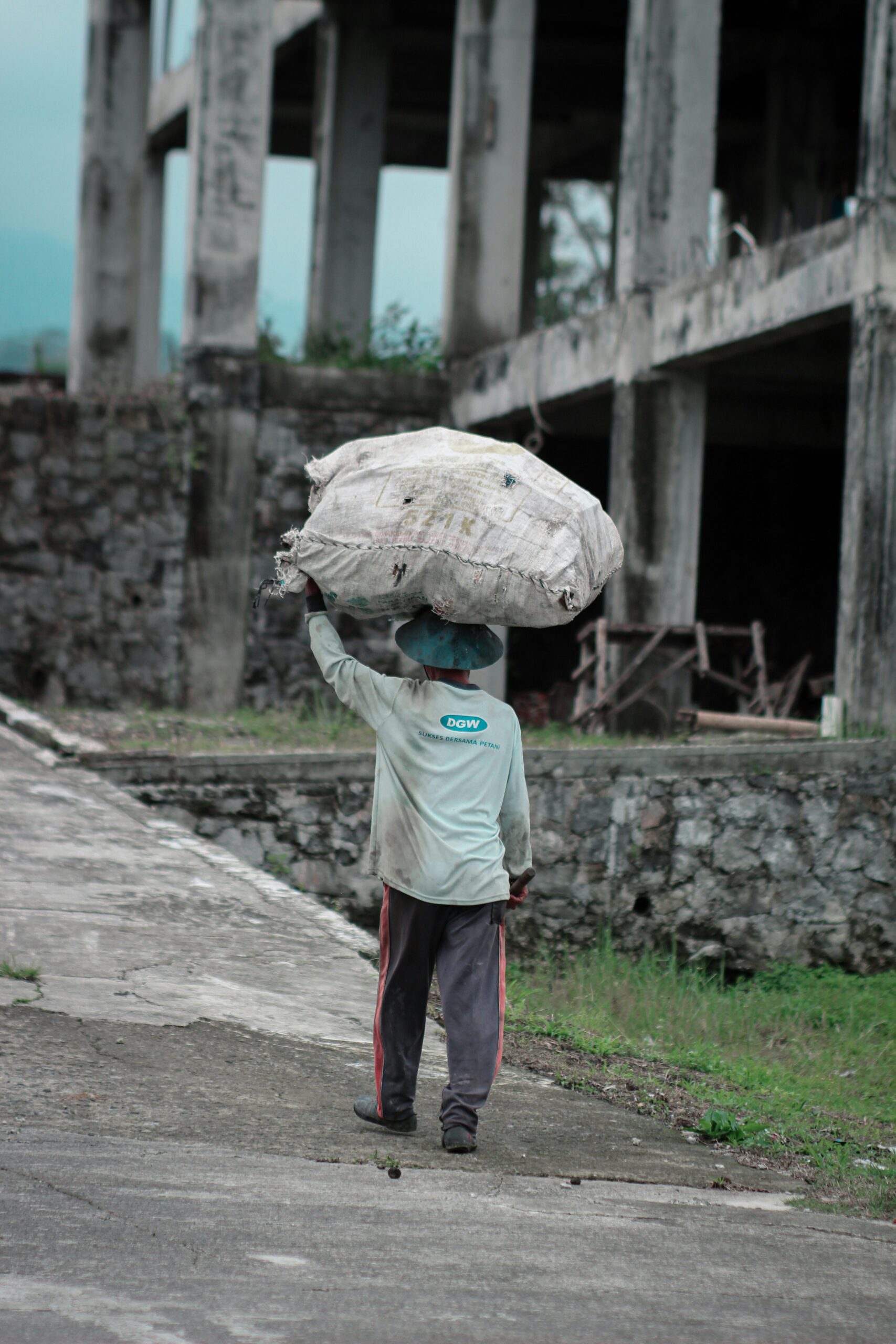
“Not all you carry is yours. Some burdens run through generations.”
This sentence captures the essence of something that is felt by numerous individuals but cannot always be identified: intergenerational trauma. It’s the invisible strand that makes its way through families, shaping behaviors, emotions, and relationships. It does not show on the outside as a physical scar may, yet it can lie deep within us, influencing how we view ourselves and how we move through the world.
The Hidden Inheritance
Have you ever noticed yourself reacting far more extremely to a situation than is warranted? Or perhaps you’ve caught yourself repeating patterns that you swore you’d never repeat from your parents. These are typically signs of an inheritance that isn’t quite your own. Trauma, especially when it isn’t spoken or processed, will often travel through family systems.
A grandmother who lived through war may never have spoken to her children of her fear, but her silence shaped the way she raised them. A father who believed he could never be vulnerable may have taught a form of masculinity where weakness had no room. A mother who was never allowed to grieve may have unwittingly taught her daughter to hide her tears. Without realizing it, kids pick up these unspoken rules and transmit them.
Why It Matters
The insidious nature of intergenerational trauma is that it will often disguise itself as loyalty. We are fond of our families, and if we are not mindful, we can feel compelled to carry their pain as a way of staying connected. We twist ourselves into positions that are not our own, acting out in silence what has come before. These dynamics can, over time, become heavy burdens that keep us from living our own lives with the most aliveness.
This is not an issue of blame. It’s not an issue of blaming parents or grandparents for what they did or didn’t do. They were also typically doing the best they could with what they had. No, it’s an issue of awareness. When we begin to ask ourselves: “Does this really belong to me?” we begin to open the door to healing.
The Path Toward Healing
Healing intergenerational trauma is a matter of acknowledgment and choice. We first bring these unconscious patterns into the light by naming them. Then we honor the suffering of those who came before us — without assuming it as our own identity. We can say, “I see what you went through, and I hold love for you, but I do not need to repeat this story.”
As we do this, something deep happens. We free ourselves to live more authentically, and at the same time, we free the generations to come. By not handing down what is not ours to bear, we create space for our children — and their children — to bear only what is theirs.
Closing Thought
Intergenerational trauma reminds us that we are typically holding more than just our own lives. But it also reminds us of something vital: you are not broken. You are not too much. And sometimes, the most crushing weights bearing down on you were never yours to carry in the first place.